
Flood & Storm Damage Cleanup in Bradenton, FL
Heavy rainfall, surface runoff, and stormwater intrusion can cause flooding that affects floors, walls, belongings, and other parts of a property. When water enters a building, visible puddles may be only one part of the problem. Moisture can spread beneath flooring, soak porous materials, and affect areas that are not immediately visible. Bradenton Restoration Specialist provides water damage cleanup assistance for properties affected by flooding and storm-related water intrusion in Bradenton, FL.
Every flooding situation is different. The appropriate cleanup depends on where the water came from, how far it spread, whether contamination is a concern, and which materials have been affected. Assessing these conditions helps determine the next steps for water removal, cleanup, and restoration.
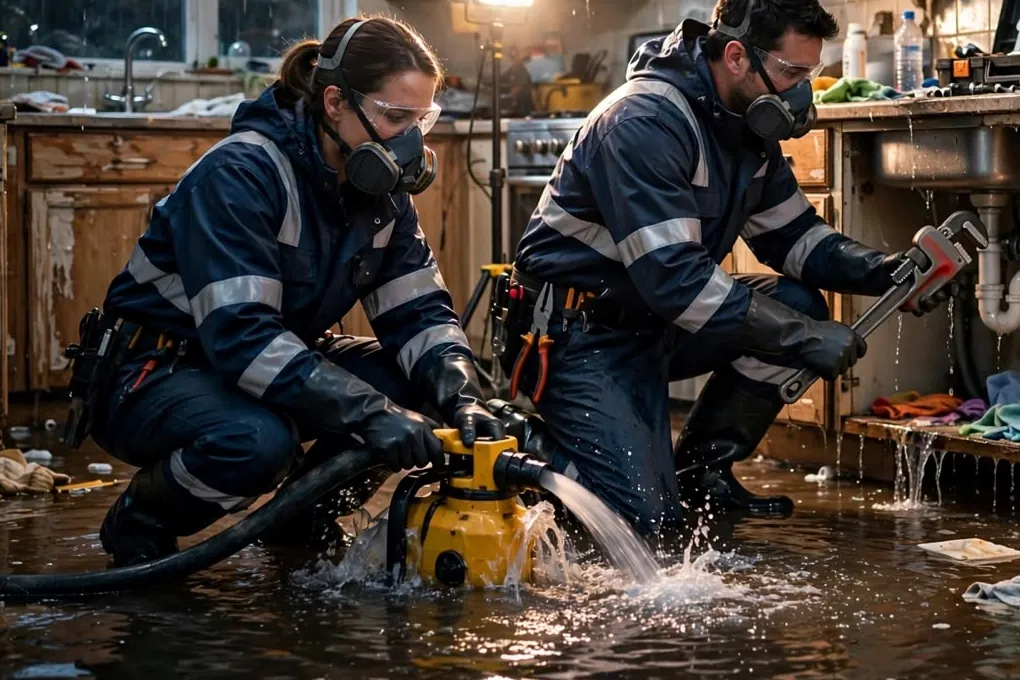
Common Causes and Signs of Flood and Storm Damage
Heavy Rainfall, Surface Runoff, and Stormwater Intrusion
Heavy rainfall can cause water to accumulate around buildings and enter through vulnerable openings. Surface runoff, overwhelmed drainage, and localized flooding may allow water to reach garages, ground-floor rooms, storage areas, and other interior spaces. Wind-driven rain can also contribute to water intrusion during severe weather.
The effects depend on the property's layout, surrounding drainage, and the route the water takes. In some cases, water may enter through an exterior doorway or garage. In others, it may travel into lower areas of the building or affect several adjoining rooms.
Floodwater entering from outside may contain dirt, debris, microorganisms, or other contaminants. Its source should therefore be considered before anyone attempts cleanup. Water that has contacted soil, outdoor surfaces, or drainage systems should not automatically be treated like a clean-water plumbing leak.
For property owners in Bradenton, Florida, identifying how stormwater entered the building is an important step in understanding the extent of the damage and the appropriate cleanup requirements.
Standing Water and Damage to Interior Materials
Flooding can leave standing water on floors and introduce moisture into many different building materials. Carpet and padding may become saturated, drywall may absorb water, and baseboards or cabinets may show signs of swelling or deterioration. Furniture, stored belongings, and commercial inventory may also be affected.
Common signs of flood and storm damage include:
- Standing water inside rooms, garages, or other enclosed areas
- Wet carpets, carpet padding, and flooring
- Water stains on walls and ceilings
- Swollen baseboards or damaged trim
- Damp drywall and insulation
- Water-damaged furniture, stored items, or inventory
- Mud, debris, or residue left by floodwater
- Persistent dampness after visible water has disappeared
Not all water damage is immediately apparent. Moisture may remain beneath flooring, inside wall cavities, or within other porous materials after the surface appears dry. A closer assessment can help identify areas that may require further attention.
What to Do After Flooding or Storm-Related Water Intrusion
Protect People and Avoid Potentially Contaminated Floodwater
Safety should come before cleanup following a flood or severe storm. Floodwater from outside may contain sewage, chemicals, microorganisms, and debris. Avoid direct contact with water when its source or contamination status is uncertain, and keep children, pets, employees, and other occupants away from affected areas.
Water near electrical outlets, wiring, appliances, or electrical panels can create serious hazards. Do not touch wet electrical equipment or enter flooded areas where electrical safety is uncertain. If there is an immediate danger, seek appropriate emergency assistance and keep people clear of the affected area.
Avoid entering buildings with signs of structural instability, damaged ceilings, or other serious hazards. If water has entered from outside, do not assume that ordinary household cleaning methods are sufficient. The appropriate handling and disposal of affected materials depend on the type of water and the level of contamination.
Document Damage and Limit Further Property Loss
Once the property is safe to approach, there are several practical steps that may help while you arrange professional assistance.
- Photograph visible flooding and damaged materials when it is safe.
- Record which rooms, floors, and belongings have been affected.
- Keep people away from unsafe or potentially contaminated areas.
- Move unaffected belongings away from the damaged area if it is safe to do so.
- Avoid operating electrical equipment that may have been exposed to water.
- Contact the appropriate professional to address any ongoing source of water intrusion.
- Keep records of the incident and any damage for your own documentation.
Avoid beginning extensive cleanup until the water source, contamination risks, and electrical hazards have been considered. If floodwater has entered a building, the affected materials may require more than simple water removal.
Our Flood and Storm Damage Cleanup Process
Assessing Floodwater Intrusion and Affected Areas
Flood and storm damage cleanup begins with understanding where the water entered, which areas were affected, and whether contamination may be present. The assessment may consider standing water, flooring, walls, baseboards, furniture, stored belongings, and other materials exposed to floodwater.
The type of water is particularly important. Water from an exterior flood or drainage overflow may require different handling from water released by a clean-water plumbing supply. The extent of exposure and the condition of affected materials also influence what can be cleaned, dried, or restored.
Moisture may extend beyond the visible water line. Depending on the circumstances, additional evaluation may be needed for carpet padding, subfloors, drywall, insulation, and other areas where water can remain concealed.
For property owners in Bradenton, FL, understanding these factors helps establish the appropriate scope of cleanup and identifies any areas that require further assessment.
Planning Water Removal and Initial Cleanup
The cleanup plan depends on the amount of water, its source, the presence of contaminants, and the materials affected. Where it is safe and appropriate, standing water may need to be removed before further inspection and restoration work can proceed.
Water removal is not always the same as complete cleanup. Floodwater may leave behind sediment, debris, or contaminants that require suitable handling. Certain porous materials may need additional evaluation to determine whether they can be cleaned and dried adequately or should be removed.
Once immediate cleanup needs have been addressed, the affected areas can be evaluated for residual moisture and other damage. This helps determine whether structural drying, further material assessment, or additional restoration work may be necessary.
For more information about standing water removal, visit our Water Extraction & Removal service page. If flooding creates an urgent water damage situation inside your property, our Emergency Water Damage Restoration page provides additional information about responding to sudden water intrusion.
Addressing Water-Damaged Materials and Residual Moisture
Evaluating Wet Flooring, Drywall, Insulation, and Belongings
Floodwater can affect materials differently depending on their composition, exposure time, and the type of water involved. Carpet and padding may retain moisture, while drywall and insulation can absorb water. Wood framing, baseboards, cabinets, and subfloors may also require further assessment if they have been exposed to prolonged dampness.
Belongings and business assets need individual consideration. Furniture, stored products, paper documents, and electronic equipment may be damaged by water or contamination. Whether an item can be cleaned or restored depends on its material, condition, and exposure.
Materials affected by potentially contaminated floodwater require particular care. Cleaning and drying alone may not be sufficient for every item, and some porous materials may need to be discarded when they cannot be adequately cleaned or restored. Decisions should be based on the actual conditions and appropriate safety guidance.
Managing Residual Moisture and Drying Requirements
After standing water has been removed, moisture may remain within building materials or enclosed spaces. If the affected materials remain damp, they can deteriorate and may develop conditions that support mold growth.
Depending on the assessment, next steps may include moisture inspection, structural drying, dehumidification, and monitoring affected materials. These measures should be selected according to the water source, the condition of the property, and whether contamination concerns have been addressed.
Drying requirements can differ between a localized water intrusion incident and a property affected by extensive flooding. Materials exposed to contaminated water may require appropriate cleaning, disinfection, or removal before drying and restoration can proceed.
Our Structural Drying & Dehumidification service page provides further information about managing residual moisture in water-affected building materials. If mold growth is already present, our Mold Remediation page covers that separate concern.
Flood and Storm Damage Help for Bradenton Properties
Cleanup for Residential and Commercial Properties
Flooding can affect homes, apartments, garages, offices, retail spaces, and other commercial buildings in different ways. Residential properties may experience water on ground-floor flooring, damaged household belongings, or moisture inside walls. Commercial properties may have affected inventory, furniture, equipment, storage areas, or spaces that are temporarily unsafe to use.
Bradenton Restoration Specialist focuses on water damage cleanup needs associated with flooding and storm-related water intrusion in Bradenton, Florida. The appropriate next steps depend on the source of the water, the areas affected, and the condition of the building materials.
For roof-related water intrusion, our Roof Leak Water Damage service page provides more specific information about damage caused by rain entering through a roof.
Contact Bradenton Restoration Specialist for Flood Damage Cleanup
If flooding or stormwater has affected your property, understanding the source of the water and the extent of the damage is an important starting point. Avoid entering unsafe areas or handling potentially contaminated materials while arranging appropriate assistance.
Contact Bradenton Restoration Specialist to discuss flood and storm damage cleanup in Bradenton, FL. When reaching out, explain where the water entered, whether standing water remains, which materials appear damaged, and whether the water may have come from outside or a drainage system.
- Phone Number:
- Call Now +1 (941) 541-0203
- Email:
- contact@bradentonwaterdamagerestoration.us
- Address:
- 1806 29th St W, Bradenton, FL 34205
- Hours:
- Open 24/7 for emergency calls
Contact us to discuss the flooding or storm-related water damage affecting your property and determine the appropriate next steps for cleanup and restoration.